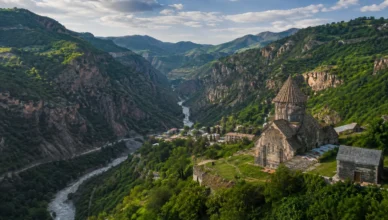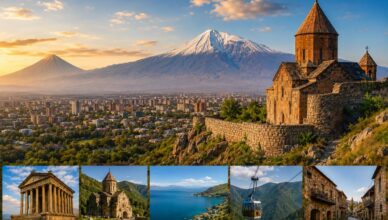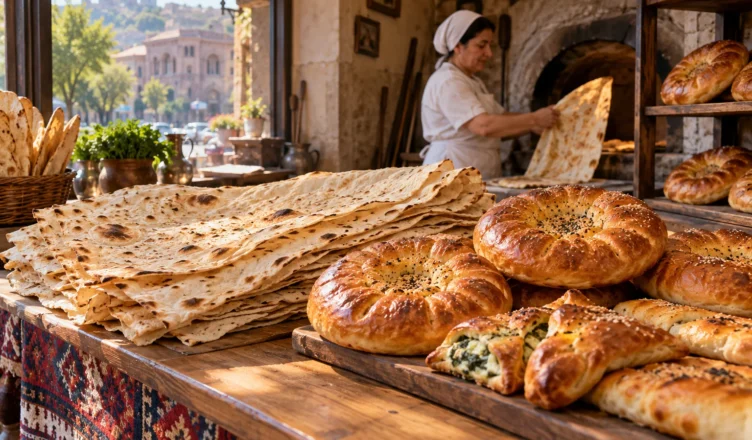
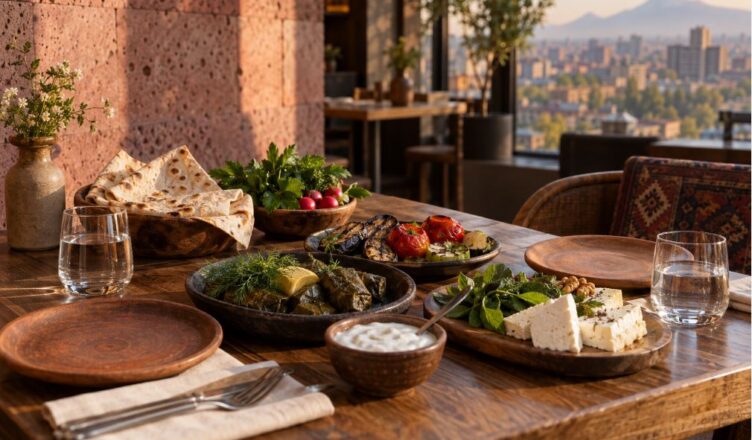
I Visited Yerevan and Realized Nobody Had Told Me the Most Important Things

Yerevan Republic Square at evening with fountains and illuminated buildings
When I visited Yerevan, I quickly realized that the city is easy to love — but only after you understand a few small everyday details that most travel guides forget to mention.Before arriving, I expected beautiful squares, old streets, cafés, churches, and warm Armenian hospitality. All of that was true. But what surprised me most were the practical things: how people move around the city, when cash is still useful, how evenings feel, and why walking in Yerevan is both simple and a little deceptive.

This is not a complicated travel guide. It is what I personally wish someone had told me before my first days in Yerevan.

The City Looks Easy on the Map — But Walking Has Its Own Rhythm

Yerevan taxi street transport
Taxi transport in Yerevan city

At first glance, central Yerevan feels very walkable. Republic Square, Northern Avenue, the Opera area, Cascade, cafés, shops, and restaurants are often closer than they appear on the map. I liked that I could leave my hotel and simply walk without planning every step.

But I also learned something quickly: Yerevan has slopes. Some streets look short, but under the summer sun or after a long day, they feel much longer. Walking is pleasant, especially in the evening, but it is better not to underestimate the heat or the uphill routes.

For short distances, I often preferred walking. For longer routes, late evenings, or places outside the center, taxis were much easier.

  • Taxis: in my experience, the most practical way to move around Yerevan.
  • Taxi apps: GG and Yandex Go are commonly used and make prices clearer.
  • Short rides: many central rides usually cost around 800–1500 AMD, depending on distance, time, and demand.
  • Metro: simple and affordable, but it does not cover every area a visitor may need.
  • Buses and minibuses: cheaper, but not always intuitive if you are visiting for the first time.

What I would do differently: I would download taxi apps before arriving and avoid negotiating with random taxis near tourist spots. App-based taxis felt simpler, calmer, and more predictable.

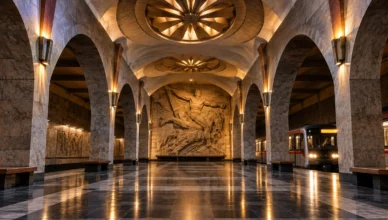
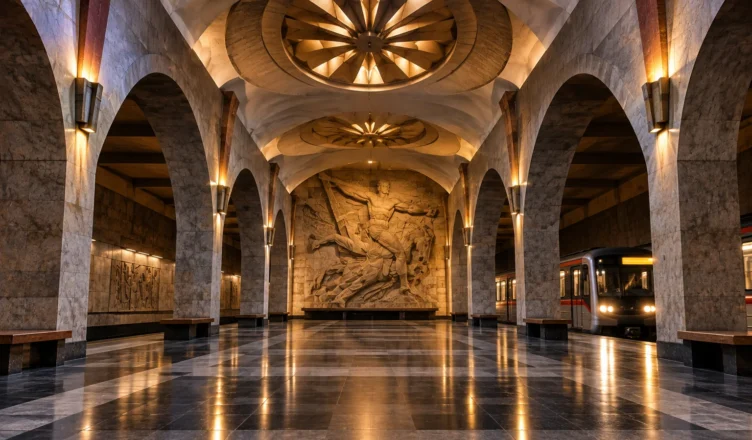
Yerevan metro station
Yerevan metro system

Cash Still Matters More Than I Expected

The local currency is the Armenian dram (AMD). In central Yerevan, paying by card is common. Many cafés, restaurants, supermarkets, hotels, and modern shops accept cards without any problem.

Still, I was glad I had some cash with me. Smaller shops, kiosks, local markets, taxis in some situations, and small everyday purchases can be easier with cash. Yerevan is modern, but it is not a city where I would rely only on a bank card.

  • keep several small banknotes, especially 1000–5000 AMD
  • use official exchange points or banks
  • avoid exchanging money in unclear places
  • do not carry more cash than you need for the day

My practical conclusion: you do not need a large amount of cash, but having no cash at all can be inconvenient.

Prices Felt Reasonable, But the Center Is Not Always Cheap

Before visiting, I had heard that Yerevan was affordable. In many ways, that was true. Compared with many European capitals, food, transport, and coffee can still feel reasonable.

But I also noticed that prices depend a lot on where you are. Stylish cafés and restaurants in the very center can be noticeably more expensive than small local places a little away from the busiest streets.

  • Coffee: around 800–1500 AMD in many cafés
  • Taxi ride: often around 800–1500 AMD for short city rides
  • Restaurant meal: around 4000–8000 AMD per person in many central places
  • Bottled water: often around 200–300 AMD in shops

What I noticed: Yerevan can be affordable, but the most polished central places are not always budget-friendly. Local cafés often give better value and a more authentic feeling.

Internet Was Easy — And That Made the Trip Smoother

One thing I really appreciated in Yerevan was how easy it was to stay connected. Mobile internet worked well for maps, taxi apps, translation, restaurant searches, and messaging.

SIM cards are available at the airport and in the city. Wi-Fi is also common in hotels and cafés, but I still found mobile internet more convenient because I used maps and taxi apps every day.

  • buying a local SIM card can be cheaper than roaming
  • mobile internet is useful if you plan day trips outside Yerevan
  • taxi apps and maps work much better when you are always connected

My advice: if you are staying more than a couple of days, a local SIM card is worth considering.

Yerevan Felt Safe, Especially in the Center

Yerevan street cafes evening
Evening life in Yerevan

One of the first things I noticed was the relaxed atmosphere. In the evening, central Yerevan does not feel empty. People walk, meet friends, sit in cafés, buy ice cream, and enjoy the city slowly.

For me, this was one of the most pleasant parts of the trip. The city felt lively without feeling chaotic. Evening walks around the center became one of my favorite routines.

Of course, normal travel caution is still important.

  • watch your belongings in crowded places
  • use taxi apps late at night
  • avoid unfamiliar dark streets if you do not know the area
  • keep your hotel address saved offline

What surprised me: Yerevan’s evenings felt warmer, calmer, and more social than I expected.

People Dress Casually, But Churches Are Different

Yerevan is a modern city, and in the center people dress in many different styles. Casual clothing is completely normal in cafés, streets, parks, and shopping areas.

But if you visit churches or monasteries, it is better to dress respectfully. You do not need anything formal, but modest clothing is a good idea. This is especially important if you plan to visit religious sites outside the city.

  • comfortable shoes are more important than stylish shoes
  • light clothing is useful in summer
  • sun protection is important during hot months
  • modest clothing is better for churches and monasteries

My mistake: I underestimated how much walking I would do. Comfortable shoes matter in Yerevan.

The Heat Can Change Your Plans

If you visit Yerevan in summer, do not ignore the heat. During the day, walking can become tiring faster than expected. I found that mornings and evenings were much better for exploring, while the middle of the day was better for cafés, museums, indoor places, or rest.

This does not mean summer is a bad time to visit. It simply means you should plan your day realistically.

  • carry water
  • avoid long walks in the hottest hours
  • use taxis when the heat feels too strong
  • plan outdoor walks for morning or evening

Small detail that helped: I stopped trying to see everything quickly. Yerevan is much better when you slow down.

The Biggest Mistake Is Trying to Do Too Much

Yerevan may look easy to cover in one or two days, but the city is not only about checking attractions off a list. Some of the best moments happen between the main sights: a quiet courtyard, a small bakery, an evening café, a view of Ararat, or a slow walk near Cascade.

I understood this only after I stopped rushing.

  • do not plan too many places in one day
  • leave time for cafés and evening walks
  • keep some flexibility in your schedule
  • do not judge the city only by famous landmarks

What nobody told me: Yerevan’s charm is not always loud. Sometimes it appears slowly, in ordinary moments.

Small Things I Would Tell Every First-Time Visitor

If a friend asked me what to know before visiting Yerevan, I would keep it simple.

  • download GG or Yandex Go before arrival
  • carry some small cash
  • save your hotel location offline
  • bring comfortable shoes
  • do not underestimate summer heat
  • walk in the evening if you want to feel the city
  • try local cafés, not only popular central restaurants
  • leave space in your plan for slow discoveries

These are not dramatic travel secrets. They are small details. But they can make the difference between a stressful first day and a smooth, enjoyable visit.

Final Thoughts

Yerevan surprised me because it was easier, warmer, and more personal than I expected. It is not a city that needs complicated planning, but it rewards travelers who pay attention to daily life.

Once I understood how taxis worked, when to use cash, how to plan around the heat, and why evenings matter so much, the city became much more comfortable.

If you are visiting Yerevan for the first time, my best advice is simple: prepare the basics, then let the city reveal itself slowly. That is when Yerevan becomes more than a destination — it becomes an experience.

I Traveled Across Armenia — Here Are The Mistakes I Wish I Had Avoided

When I first planned my trip to Armenia, I thought I already knew exactly what kind of country I was about to visit.

I imagined beautiful monasteries, dramatic mountain landscapes, famous viewpoints, and a relatively simple route where I could quickly move from one well-known destination to another.

But after arriving, I understood something almost immediately — Armenia is not the kind of place you fully understand through a simple checklist of tourist attractions.

This country reveals itself slowly. Some of my strongest memories came not from famous landmarks, but from unexpected conversations with locals, quiet village roads, long dinners, hidden places I discovered by accident, and moments I could never have planned in advance.

Looking back now, I realize I made several mistakes during my first trip — mistakes that many visitors probably make without noticing.

If I ever planned my first Armenia trip again, these are exactly the things I would do differently. For route planning and regional information, I also found this complete Armenia Travel Guide 2026 very helpful.

1. I Tried to See Too Much in Too Little Time

My first mistake was underestimating how travel works in Armenia.

When I looked at the map, the country seemed small. Naturally, I assumed I could visit many famous places within only a few days.

I tried fitting all of these into one short trip:

  • Garni,
  • Geghard,
  • Lake Sevan,
  • Dilijan,
  • Tatev,
  • Gyumri

Very quickly, I learned that mountain roads, curves, weather conditions, and long regional routes make traveling much slower than expected.

Instead of enjoying the country, I often found myself spending too much time sitting in a car.

What I learned: Armenia is a country that rewards slow travel. It is better to experience fewer places properly than rush through everything.

2. I Almost Left Yerevan Too Quickly

Republic Square Yerevan at night Armenia travel
Evening atmosphere in Republic Square, Yerevan

At first, I treated Yerevan simply as a starting point for day trips around the country.

I honestly thought spending one day in the capital would be enough.

That turned out to be a big mistake.

After staying longer, I realized Yerevan is much more than just a base for tourists. In many ways, it feels like the emotional center of Armenia itself.

The city slowly started opening up to me during very ordinary moments:

  • long evenings sitting in cafés,
  • late-night walks near the Opera House,
  • watching sunset from Cascade,
  • small conversations inside local restaurants,
  • quiet mornings with coffee in the city center.

What surprised me: Yerevan becomes far more interesting after several days, not several hours.

For understanding the city better, I later found this complete Yerevan Travel Guide useful.

3. I Focused Only on Famous Tourist Attractions

Like many first-time travelers, I initially built my entire route around the places every guide talks about.

Garni, Geghard, Sevan, Tatev — all of them are beautiful and definitely worth visiting.

But I discovered that Armenia’s strongest charm often exists far away from these popular places.

Some of my favorite memories actually came from places I had never planned to visit:

  • small mountain villages,
  • tiny roadside bakeries,
  • hidden monasteries with almost no tourists,
  • forest roads somewhere in Lori,
  • small wineries in Vayots Dzor.

Sometimes the places nobody talks about become the strongest memories.

My advice: leave some free time in your itinerary. Armenia often becomes more interesting when you stop following strict plans.

4. I Underestimated Armenian Food Culture

Before arriving, I thought food would simply be another pleasant part of the trip.

I was wrong.

Very quickly, I understood that food in Armenia is deeply connected to daily life, family traditions, hospitality, and social gatherings.

Meals here are never just about eating.

  • family traditions,
  • hospitality,
  • seasonal ingredients,
  • long conversations around the table.

I noticed that restaurants built mainly for tourists often did not offer the best experiences.

What I discovered: smaller family restaurants, village guesthouses, and local bakeries often create far more authentic food experiences.

I also later used this detailed Armenian Food Guide.

5. I Didn’t Fully Understand How Important Churches Are Here

Tatev Monastery Armenia travel guide
Tatev Monastery surrounded by mountains and canyon landscapes

Armenia’s monasteries are not simply historical monuments.

I quickly understood that religion still plays an important role in local identity.

I noticed some tourists behaving too casually inside churches:

  • speaking loudly,
  • taking inappropriate photos,
  • wearing revealing clothing,
  • ignoring the atmosphere of the place.

Even for non-religious visitors, showing respect matters here.

Simple respectful behavior is always noticed and appreciated.

6. I Expected Armenia to Be Extremely Cheap

Before arriving, I had heard many times that Armenia was a very inexpensive destination.

The reality turned out to be more complicated.

  • central Yerevan can feel expensive,
  • tourist restaurants charge significantly more,
  • modern cafés and wine bars often have European-level prices,
  • accommodation prices rise during busy seasons.

What I learned: Armenia still offers very good value, but unrealistic expectations about prices can easily create frustration.

7. I Almost Used Random Street Taxis

Another mistake I nearly made happened immediately after arriving.

I almost used random airport taxis without checking prices first.

After spending more time here, I learned that using apps is far safer and easier.

Best option: use Yandex Go.

This helps avoid:

  • tourist overpricing,
  • route misunderstandings,
  • cash confusion.

Taxi apps quickly became my default option inside Yerevan.

8. I Underestimated Armenia’s Mountain Weather

Lake Sevan Armenia mountain weather travel guide
Weather near Lake Sevan can change very quickly even during summer

Summer in Yerevan was extremely hot, so naturally I assumed the entire country would feel the same.

Another mistake.

Armenia’s geography changes fast.

  • Yerevan can be very hot,
  • Lake Sevan often feels cold and windy,
  • mountain areas become surprisingly cold in the evening.

My lesson: even during summer, always carry at least one warm layer when traveling outside the capital.

9. I Almost Missed Armenia’s Human Side

The strongest thing I remember now is not any monastery or mountain view.

What stayed with me most were human moments:

  • unexpected conversations with locals,
  • homemade food,
  • people offering help without being asked,
  • long dinners filled with stories,
  • small moments that were never part of my travel plan.

I slowly understood that Armenia feels emotional because human connection still matters deeply in everyday life.

10. I Almost Left Thinking I Had Seen Everything

At one point, I thought visiting several famous landmarks meant I had already seen most of Armenia.

Now I know how wrong that idea was.

The country becomes far more interesting once you start noticing:

  • regional differences,
  • local traditions,
  • food culture,
  • mountain village life,
  • slower rhythms of daily life,
  • the emotional atmosphere that exists everywhere.

The biggest thing I learned: Armenia is not a destination that reveals itself instantly. The slower you travel here, the more memorable the country becomes.

Final Thoughts

After traveling through Armenia, I understood that this is not a country built around luxury tourism or perfectly polished travel infrastructure.

Its strongest quality is authenticity.

It rewards travelers who stay curious, move slowly, go beyond famous tourist routes, and remain open to unexpected experiences.

For me, Armenia became memorable not because everything was perfect — but because everything felt real.

And honestly, that is exactly why I know I will return again.

Related articles:

I Seriously Considered Moving to Yerevan — Here’s What I Learned About Living in Armenia

When I first started thinking seriously about Yerevan as a place to live, I realized that Armenia’s capital was no longer just a travel destination.More and more people were talking about it as a city for relocation — expats, freelancers, entrepreneurs, remote workers, and people who simply wanted a calmer lifestyle without losing the energy of a real capital.

At first, Yerevan attracted me with its warm climate, café culture, walkable center, and relatively affordable lifestyle. But once I looked deeper, I understood that moving here is not only about beautiful views and pleasant evenings. There are practical questions too: how easy is it to stay legally, where should you live, what kind of work is realistic, and what everyday life actually feels like?

After spending time in the city and trying to understand it not as a tourist, but as someone imagining daily life here, I collected the main things I would want to know before moving to Yerevan. For a broader view of the country, this complete Armenia travel guide is also useful.

Why I Think People Are Moving to Yerevan

What makes Yerevan interesting is the balance. It has the identity and social life of a capital, but it does not feel as exhausting or expensive as many larger cities.

  • the cost of living is still lower than in many European capitals
  • the city feels relatively safe and calm
  • café culture is a real part of daily life
  • there is a growing IT and remote work community
  • visa rules are flexible for many nationalities

For remote workers, this combination can be especially attractive. I noticed that it is possible to work online, meet people easily, spend time in cafés, and still live at a slower pace than in many bigger cities. For daily travel and city tips, see this Yerevan travel guide.

Visa and Residence Rules

One of the first things I checked was the legal side of staying in Armenia. Compared with many countries, Armenia feels relatively simple at the beginning. Citizens of many countries can enter visa-free, get a visa on arrival, or apply online.

For a short stay, this is usually not complicated. But if someone wants to live in Yerevan longer, then a residence permit becomes an important question.

The most common options are usually connected with:

  • work
  • business or entrepreneurial activity
  • other legal grounds depending on personal situation

My advice would be simple: do not rely only on casual advice from social media groups. Rules can change, and it is always better to check official sources or speak with a specialist before making a long-term plan.

Finding Housing in Yerevan

housing in Yerevan apartments residential buildings Armenia
Residential areas and apartments in Yerevan

Housing is probably the first thing that really shapes your experience in Yerevan. I quickly understood that two people can live in the same city but have completely different impressions depending on the district and apartment they choose.

Kentron, the city center, is the easiest choice for newcomers. Everything is close: cafés, restaurants, shops, nightlife, parks, and the main streets. But it is also the most expensive area.

Other districts, such as Arabkir, Davtashen, Ajapnyak, and parts of Shengavit, can be more affordable while still offering comfortable living conditions.

What I would not do: I would not sign a long-term rental contract immediately after arrival. It is much better to spend a few weeks walking around different neighborhoods, comparing prices, and understanding where you actually feel comfortable.

Jobs and Remote Work

working remotely in Yerevan cafes coworking Armenia
Yerevan is popular among remote workers and freelancers

When I looked at work opportunities in Yerevan, I noticed one important thing: the city is developing, especially in IT, technology, and services, but many foreigners still rely mainly on remote work or income from outside Armenia.

These are the main points I would keep in mind:

  • local salaries can be lower than in Western countries
  • remote work gives much more flexibility
  • freelance and online work are common among expats

The good thing is that Yerevan makes remote work feel natural. There are coworking spaces, many cafés with Wi-Fi, and a growing community of people working online or building small businesses.

Cost of Living Overview

For me, the cost of living in Yerevan depends mainly on one thing: rent. Food, transport, cafés, and daily expenses can still feel reasonable, but housing prices, especially in central areas, have increased.

That means Yerevan can be affordable, but only if you choose your apartment carefully and do not automatically pick the most expensive central option.

👉 Detailed breakdown:
Cost of Living in Yerevan

Life in Yerevan

Yerevan lifestyle cafes nightlife Armenia expat life
Daily life and social atmosphere in Yerevan

Daily life in Yerevan feels very social. This was one of the first things I noticed. People meet outside, sit in cafés for a long time, walk in the evenings, and spend a lot of time with friends and family.

The city offers:

  • theaters, museums, and cultural venues
  • festivals and live events during the year
  • a relaxed but active urban lifestyle

What helped me understand Yerevan better was the attitude of people. Locals are usually open, curious, and ready to help, especially when they see that someone is genuinely interested in the country.

Pros and Cons of Living in Yerevan

Pros:

  • more affordable than many capitals
  • safe and calm everyday atmosphere
  • strong café and social culture
  • growing international community

Cons:

  • rent is rising in central districts
  • local job options for foreigners can be limited
  • some public services may feel different from Western standards
  • summers can be very hot
  • occasional infrastructure problems can happen

Final Thoughts

After looking at Yerevan not only as a visitor, but as a possible place to live, I would say this: moving here can be a very good decision, but only with realistic expectations.

Yerevan offers affordability, culture, safety, social life, and a slower rhythm that many people now want. But it also requires preparation — especially when it comes to housing, income, legal stay, and budgeting.

For some people, Yerevan may remain a temporary stop. For others, it can become a real long-term home with a new routine, new friendships, and a different pace of life.

That is what makes the city interesting: it does not try too hard to impress you at once, but if its rhythm suits you, it becomes very easy to imagine staying longer.

Related articles:

I Visited Yerevan and Finally Understood Why People Call It the Soul of Armenia

I had heard many times that Yerevan is called the “soul of Armenia,” but honestly, I did not fully understand what that meant until I spent real time walking through the city myself. At first, Yerevan seemed almost too calm. The streets felt wide, the buildings were lower than what I expected from a capital city, and everything moved at a slower pace. But after a few days, I started noticing something unusual — this city slowly pulls you in.

Unlike many destinations that try to impress you immediately with famous landmarks, Yerevan reveals itself differently. For me, the real experience came through long evening walks, conversations with locals, sitting in small cafés for hours, and feeling the strange but beautiful contrast between Soviet architecture and modern Armenian life.

I realized very quickly that if someone wants to understand Armenia, simply “visiting” Yerevan is not enough. You need to experience it the right way. Before arriving, I had also read this complete Armenia travel guide, but being here in person felt completely different.

Yerevan city skyline Mount Ararat Armenia panoramic view travel guide 2026
Panoramic view of Yerevan with Mount Ararat in the background

My First Impression of Yerevan

One of the first things that surprised me was how comfortable the city feels for walking. I quickly understood why so many travelers end up staying longer than planned.

  • the city center feels compact and easy to explore
  • cafés are literally everywhere
  • there is an unusual balance between history and modern life
  • compared to Europe, everything feels surprisingly affordable

What stood out most to me was the atmosphere. Yerevan is not a city where you rush from attraction to attraction. It rewards you when you slow down. I later understood why many expats choose to stay longer after reading Moving to Yerevan: Complete Guide for Expats.

Places I Visited in Yerevan (And What I Learned)

Republic Square

Like most visitors, I naturally started at Republic Square. During the day, it felt impressive but quite formal. The real magic happened later.

When evening came and the famous fountains started, the entire place changed completely. Families gathered, music filled the square, and suddenly I understood why locals love this place so much.

My advice: do not rush. Arrive after sunset and stay longer than you planned.

Republic Square Yerevan night singing fountains lights Armenia travel guide 2026
Republic Square in Yerevan at night with colorful singing fountains

Cascade Complex

I had seen photos of Cascade many times before visiting, but standing there in person felt completely different.

I noticed that many tourists come, take photos, and leave quickly. Locals, however, seem to return constantly. I understood why once I climbed higher and watched the city slowly light up in the evening.

On a clear day, seeing Mount Ararat from there feels unforgettable.

Cascade Complex Yerevan Armenia Mount Ararat view stairs city panorama travel guide 2026
Cascade Complex in Yerevan with panoramic view of Mount Ararat

Vernissage Market

I expected an ordinary souvenir market, but Vernissage turned out to feel much more personal.

Walking through the stalls, I found handmade crafts, traditional Armenian carpets, old Soviet collectibles, paintings, and jewelry that felt deeply connected to Armenian culture.

One thing I learned quickly: bargaining here is completely normal and even part of the experience.

Opera House Area

If I had to choose one place where I truly felt the rhythm of Yerevan, it would probably be the area around the Opera House.

In the evenings, people gather everywhere — meeting friends, walking slowly, drinking coffee, simply enjoying life. There is no rush, and somehow that feeling becomes contagious.

This was the moment I started understanding the city better.

What I Ate (And Why Food Matters Here)

I quickly learned that food in Yerevan is not just about eating. It feels like a major part of daily life.

  • Khorovats — probably one of the best barbecues I have ever tried
  • Fresh Lavash — much better when baked traditionally in a tonir
  • Dolma and homemade local dishes

I made one mistake at first — choosing restaurants designed mainly for tourists. Smaller local places often offered much better food and a far more authentic atmosphere. I later found useful context in this guide to Armenian culture and traditions.

How Yerevan Feels at Night

One thing that genuinely surprised me was how much the city changes after sunset.

The streets stay active late into the evening, cafés remain busy, live music can often be heard, and despite being lively, the city still feels safe and relaxed.

Compared to larger European cities, nightlife here feels less chaotic and much more social.

Where I Would Stay Next Time

  • City Center — perfect if it is your first visit
  • Northern Avenue — modern and convenient
  • Outside the center — cheaper, but less practical

After spending time walking everywhere, I realized staying in the center saves a huge amount of time. This Cost of Living in Yerevan guide explains it quite well.

Getting Around the City

I rarely needed transportation because much of central Yerevan is easily walkable.

  • walking often turned out to be fastest
  • local taxis were inexpensive
  • Yandex Go worked reliably every time

The traffic can become busy, so sometimes walking is genuinely easier than driving.

Short Trips I Recommend From Yerevan

One lesson I learned: distances in Armenia can be deceptive. Trying to do too much in one day usually becomes exhausting.

Mistakes I Would Avoid Next Time

  • spending only one day in Yerevan
  • focusing only on famous landmarks
  • ignoring local neighborhoods and everyday life

The biggest discovery for me was simple: Yerevan should never be rushed.

Why I Still Remember Yerevan

What stayed with me after leaving was not a specific landmark or attraction.

It was the people, the calm rhythm of life, the warmth, and the feeling that this city somehow makes everyday life feel slower in the best possible way.

  • genuinely welcoming locals
  • relaxed daily atmosphere
  • beautiful balance between old history and modern identity

For me, Yerevan stopped feeling like a destination. It became one of those rare places that stays in your memory long after the trip ends.

Related articles:

Hidden Armenia: Places Most Travelers Never See

Armenia is one of the most underrated travel destinations in the world — and 2026 is the perfect time to discover it. This small country offers a rare combination of ancient monasteries, dramatic mountain landscapes, authentic culture, deep history, and hospitality that travelers remember long after the trip ends.

Unlike many overcrowded destinations, Armenia still feels real. It is not polished for mass tourism, and that is exactly what makes it special. You do not just visit Armenia — you experience it through roads, food, conversations, viewpoints, and centuries-old places that still feel alive.

This guide will help you discover the top places to visit in Armenia, understand how to plan your route, and see what makes each destination worth your time. For a broader overview, explore our complete Armenia travel guide.

1. Yerevan – The Pink City and Cultural Heart

Yerevan is not just the starting point of most trips — it is the emotional center of Armenia.

Built from pink volcanic stone, the city has a warm and distinctive atmosphere. It combines Soviet architecture, modern cafés, cultural spaces, wide streets, and a relaxed rhythm that makes it easy to explore on foot.

Must-see places:

  • Republic Square, especially at night
  • Cascade Complex for city views
  • Opera House and Northern Avenue
  • local cafés, markets, and evening street life

Why it matters: Yerevan gives you the first real feeling of Armenia — welcoming, social, historic, and full of life.

Yerevan Cascade panorama with Mount Ararat at sunset Armenia city view
Panoramic view of Yerevan from the Cascade with Mount Ararat visible on the horizon.

2. Lake Sevan – The Jewel of Armenia

Lake Sevan is one of Armenia’s most iconic natural landmarks and one of the largest high-altitude freshwater lakes in the world.

Located about an hour from Yerevan, it is popular in summer for beaches and fresh fish, but it remains beautiful in every season.

Tip: visit early in the morning or around sunset for the best light and atmosphere.

3. Sevanavank Monastery

Sevanavank Monastery stands on a peninsula above Lake Sevan and offers one of the most recognizable views in Armenia.

Experience: climb the stairs, feel the strong lake wind, and look out over the blue water and surrounding mountains.

Local advice: do not stop only for photos. Spend time walking around the area and enjoying the view from different angles.

Sevanavank Monastery on the shore of Lake Sevan in Armenia aerial landscape view
Sevanavank Monastery overlooking Lake Sevan

4–5. Garni & Geghard – History and Nature Combined

Garni and Geghard are usually visited together, and this route is one of the easiest and most rewarding day trips from Yerevan.

Garni Temple is the only surviving pagan temple in Armenia. Geghard Monastery, partly carved into the rock, offers a completely different spiritual atmosphere.

Why this route is special: in one trip, you experience both pre-Christian Armenia and medieval Christian heritage.

Tip: add the Symphony of Stones if you want to make this route more complete.

6–7. Dilijan & Haghartsin – Armenia’s Green Side

Dilijan feels very different from many other parts of Armenia. It is greener, softer, and more forested.

Often called the “Armenian Switzerland,” Dilijan is best for travelers who want nature, calm streets, fresh air, and a slower atmosphere.

Haghartsin Monastery, hidden among forests, adds a peaceful and almost magical feeling to the region.

8. Tatev Monastery – Armenia’s Most Dramatic Landmark

Tatev is not just a monastery — it is one of the most powerful travel experiences in Armenia.

The journey itself is part of the attraction. The Wings of Tatev cable car carries visitors above a deep canyon, creating one of the most unforgettable moments of the trip.

Important: Tatev is far from Yerevan, so do not treat it as a quick stop. If possible, plan an overnight stay nearby.

Tatev Monastery above Vorotan Gorge in Armenia panoramic canyon view
Tatev Monastery above the Vorotan Gorge

9. Noravank – Red Cliffs and Iconic Views

Noravank is one of the most photogenic monasteries in Armenia.

Surrounded by red canyon cliffs, it creates a dramatic contrast between architecture and nature. The road leading to the monastery is also part of the experience.

Tip: visit during golden hour for the most impressive light and colors.

Noravank monastery surrounded by red canyon cliffs in Armenia
Noravank Monastery in a red canyon landscape

10. Areni – The Birthplace of Wine

Armenia is one of the oldest wine regions in the world, and Areni is at the heart of this story.

What to do:

  • visit local wineries
  • taste Armenian wines
  • explore Areni-1 cave
  • combine the trip with Noravank

Why it matters: Areni connects modern wine tourism with ancient winemaking traditions.

11. Khor Virap – The Best View of Mount Ararat

Khor Virap offers the most famous view in Armenia: the monastery with Mount Ararat rising behind it.

This place is deeply symbolic for Armenians and emotionally powerful for visitors.

Best time: early morning, when visibility is often clearer.

12. Gyumri – The Cultural Capital

Gyumri feels completely different from Yerevan.

It is artistic, humorous, atmospheric, and full of character. Black tuff architecture, old streets, museums, cafés, and local humor give the city a unique identity.

Why visit: Gyumri shows a more emotional, creative, and authentic side of Armenia.

13. Jermuk – Relaxation and Nature

Jermuk is one of Armenia’s best-known spa towns, famous for mineral water, mountain air, and quiet resort atmosphere.

It is a good choice for travelers who want to combine sightseeing with rest.

Jermuk waterfall in Armenia surrounded by mountains and forest landscape
Jermuk Waterfall

14–16. Aragats, Amberd & Tsaghkadzor

This group is perfect for travelers who want mountain scenery, history, and outdoor experiences.

  • Mount Aragats — hiking and highland landscapes
  • Amberd Fortress — history with dramatic mountain views
  • Tsaghkadzor — resort town for winter and summer escapes

Best for: active travelers and those who want to see Armenia beyond monasteries.

17. Etchmiadzin – Spiritual Center of Armenia

Etchmiadzin is one of the most important religious centers in Armenia and home to one of the oldest Christian cathedrals in the world.

Importance: this is the spiritual heart of the Armenian Apostolic Church and a key place for understanding Armenian identity.

18. Khndzoresk – Cave Village Adventure

Khndzoresk is one of the most unusual destinations in Armenia.

It combines history, nature, and adventure in one place.

  • ancient cave dwellings
  • a dramatic canyon
  • a swinging bridge
Khndzoresk cave village and swinging bridge in Syunik region Armenia
Khndzoresk cave village

19–20. Lastiver & Shaki Waterfall – Hidden Nature Gems

If you want to explore places that feel less crowded and more adventurous, Lastiver and Shaki Waterfall are excellent choices.

Lastiver: forest trails, caves, waterfalls, and a wild atmosphere.

Shaki Waterfall: one of the most impressive waterfalls in Armenia, especially when the water flow is strong.

Planning advice: Even though Armenia has many incredible destinations, trying to visit all of them quickly can reduce the quality of your trip. Use a smarter approach with our Armenia Travel Strategy guide.

How to Plan Your Route

Do not try to see everything in three days. Armenia may look small on the map, but mountain roads and travel distances can be deceptive.

Better approach:

  • Day 1–2: Yerevan, Garni, and Geghard
  • Day 3: Lake Sevan and Dilijan
  • Day 4–5: Noravank, Areni, and Tatev
  • Optional: Gyumri, Lori Region, or Jermuk

Key advice: choose fewer places and experience them properly. Armenia rewards slower travel.

Conclusion: Why Armenia Will Surprise You

Armenia is not about luxury or polished tourism. It is about authenticity.

Here, history feels close, nature feels powerful, and travel experiences feel personal. To better understand the country beyond landmarks, read our guide to Armenian culture and traditions.

If you want a destination that still feels real, emotional, and deeply memorable, Armenia should be at the top of your list in 2026.

Related articles:

My Journey Through Armenia Showed Me A Country I Was Not Expecting To Find

Destination Armenia travel guide featuring Mount Ararat, Lake Sevan and ancient monastery

When I first arrived in Armenia, I immediately understood that this was not the kind of country you fully understand in one or two days. At first, I noticed the mountains surrounding Yerevan, the warm sunlight reflecting on the city’s pink stone buildings, the calm blue waters of Lake Sevan, and ancient monasteries standing quietly on cliffs.

But the more I traveled, the more I realized that Armenia slowly turns from a destination into a feeling — a country built on history, faith, hospitality, dramatic landscapes and a very special human warmth.

Before coming here, I expected beautiful scenery and old churches. What I did not expect was how emotionally memorable the country would feel. I found myself drinking morning coffee in lively Yerevan cafés, driving through mountain roads that looked almost unreal, walking inside centuries-old monasteries carved into stone, and ending days watching sunsets over landscapes I honestly did not expect to find in such a small country.

For travelers looking for culture, history, nature, food and authentic experiences, Armenia feels surprisingly powerful.

Why Armenia Felt So Different To Me

One of the first things that surprised me was how much variety exists inside such a small country. On the map, Armenia looks compact, but once I started traveling, every few hours brought completely different landscapes and experiences.

During my trip I found:

  • ancient monasteries hanging above deep canyons,
  • modern café life in Yerevan,
  • quiet mountain villages,
  • wine regions and traditional food culture,
  • green forests and alpine lakes,
  • a country where history feels present everywhere.

What I liked most was that Armenia never felt overly commercial. Daily local life still dominates everything, which makes travel here feel much more genuine.

Yerevan: The Place Where I Started Understanding Armenia

Like most travelers, I began my journey in Yerevan. I knew it was one of the world’s oldest continuously inhabited cities, but I did not expect how modern and relaxed it would feel at the same time.

I spent my first hours walking around Republic Square, where the pink volcanic stone buildings glow beautifully under sunlight. Later I climbed the Cascade Complex and stood there watching the city spread beneath me with Mount Ararat visible in the distance.

What I quickly noticed was how social the city feels. Open-air cafés are everywhere, people spend long evenings outside, music is always somewhere in the background, and conversations seem to last for hours.

Very quickly, I understood that Yerevan is not simply the capital of Armenia — it is one of the strongest parts of the entire travel experience.

For practical city information, I later used this complete Yerevan travel guide.

Lake Sevan: One of Armenia’s Most Beautiful Surprises

One of the places I was most curious about before coming was Lake Sevan.

What I found there felt very different depending on the time of day. In the morning, the water looked deep blue. Later, clouds changed the colors completely. By sunset, the lake turned almost golden.

I visited Sevanavank Monastery standing above the water, and from there I could see just how vast the lake really is.

After the heat of Yerevan, Sevan felt refreshing. I immediately understood why so many locals escape here during summer.

Dilijan: Armenia’s Quiet Green Side

After several busy days, arriving in Dilijan felt like entering a completely different version of Armenia.

The town is surrounded by forests, mountains, fresh air and a calmer atmosphere. I immediately noticed how much slower life feels here compared to Yerevan.

I walked through old streets, visited local craft shops, explored nearby monasteries like Haghartsin and Goshavank, and spent time simply enjoying the silence.

Dilijan felt like the perfect place for travelers who want to slow down and see a greener side of Armenia.

Tatev: The Most Dramatic Journey I Experienced

Of all the places I visited, Tatev probably left the strongest impression on me.

The monastery stands on the edge of a dramatic gorge, surrounded by mountain landscapes that feel almost unreal.

Tatev Monastery and Wings of Tatev cable car above Vorotan Gorge in Armenia
The iconic Tatev Monastery and the famous Wings of Tatev cable car crossing the dramatic Vorotan Gorge.

Even getting there felt like part of the adventure. I took the famous Wings of Tatev cable car, which carries visitors high above deep valleys and cliffs.

Standing there, I understood that Tatev is much more than a beautiful viewpoint. It feels like one of those places where Armenian history, religion and nature come together in an unforgettable way.

Garni and Geghard: Stone, Silence and Ancient History

Another day trip I took from Yerevan was to Garni and Geghard.

Garni Temple immediately stood out because it looks unlike anything else I had seen in Armenia. This classical pagan temple sits above Azat Gorge and reminds visitors of Armenia’s pre-Christian history.

Not far away, Geghard Monastery felt completely different. Part of the monastery is carved directly into the rock, and the atmosphere inside was quiet, mysterious and deeply emotional.

Seeing these two places together gave me one of the clearest understandings of Armenia’s historical depth.

Garni Temple at sunset with Mount Ararat in the background Armenia
Garni Temple overlooking Armenia’s breathtaking landscapes during a colorful sunset.

Areni: Where I Discovered Armenia’s Wine Culture

Before coming to Armenia, I did not fully realize how old Armenian winemaking traditions actually are.

That changed when I visited Areni, the country’s most famous wine region.

I learned that Armenian wine culture has ancient roots, and tasting local wine here felt like experiencing a tradition that has existed for thousands of years.

Nearby Areni Cave also connects the region with some of the oldest known winemaking history in the world.

I combined this trip with nearby Noravank Monastery surrounded by dramatic red cliffs, and it became one of the most memorable days of my journey.

Gyumri: A Completely Different Side of Armenia

Gyumri felt very different from Yerevan.

The city immediately gave me a sense of personality. It felt artistic, emotional, humorous and very authentic.

I noticed the black stone architecture, creative atmosphere, museums, old streets, local humor and a very warm connection between people.

If Yerevan feels modern and energetic, Gyumri feels soulful and deeply connected to old Armenian identity.

The Hidden Places I Remember Most

Interestingly, some of my strongest memories did not come from famous landmarks.

Instead, I remember:

  • small roadside fruit stands,
  • unexpected viewpoints during mountain drives,
  • tiny local bakeries,
  • quiet churches without tourists,
  • small villages hidden between mountains.

Armenia taught me something important: beauty here is often found where you least expect it.

When I Would Visit Armenia Again

After traveling through different parts of the country, I realized Armenia can be visited any time of year — but every season feels different.

  • Spring: green landscapes and comfortable weather.
  • Summer: Lake Sevan, festivals and mountain escapes.
  • Autumn: probably my favorite season for wine, food and road trips.
  • Winter: quiet city cafés, snowy landscapes and ski resorts like Tsaghkadzor.

If I had to choose, I would probably return in autumn.

The Route I Would Personally Recommend

If I were planning a 7-day Armenia trip again, I would choose this route:

Day 1: Explore Yerevan, Republic Square, Cascade and local restaurants.

Day 2: Visit Garni Temple, Geghard Monastery and Symphony of Stones.

Day 3: Travel to Lake Sevan and continue to Dilijan.

Day 4: Explore Haghartsin, Goshavank and Dilijan old town.

Day 5: Visit Gyumri.

Day 6: Travel through Areni, Noravank and the wine region.

Day 7: Take a longer trip to Tatev or spend one final evening in Yerevan.

Small Practical Things I Learned

Traveling in Armenia is relatively easy, but I quickly learned a few useful things.

Mountain roads can look short on the map but take much longer than expected. Weather can change quickly in higher regions. Comfortable shoes are essential, and carrying at least one warm layer is useful even during summer.

Food quickly became one of the strongest parts of my experience.

I would absolutely recommend trying:

  • lavash,
  • khorovats,
  • dolma,
  • gata,
  • local cheeses,
  • Armenian wine.

Meals here are rarely just about eating. They often become long conversations filled with hospitality.

Why Armenia Stayed With Me

After leaving Armenia, I understood that what stayed with me most was not only what I saw.

It was how the country made me feel.

I remember ancient stone monasteries, mountain silence, evening lights in Yerevan, warm bread, conversations with locals, roads through dramatic landscapes and the feeling that the country never tried too hard to impress me — yet somehow left a much deeper impression than many bigger destinations.

For me, Armenia stopped feeling like a destination on the map.

It became one of those places that stays in memory long after the journey ends.

Why Armenian Hospitality Feels Different From Anywhere Else

Armenian family gathering around a traditional dinner table with lavash and homemade food

Many travelers come to Armenia expecting ancient monasteries, mountain landscapes, and beautiful views of Mount Ararat.

But what often surprises them most is something much simpler.

The people.

Visitors regularly leave Yerevan talking not only about places they saw, but about strangers who invited them for coffee, taxi drivers who suddenly became unofficial guides, or families who treated them like relatives after knowing them for only twenty minutes.

In Armenia, hospitality is not part of tourism culture. It is part of everyday life.

Guests Are Treated Almost Like Family

There is an old Armenian attitude that a guest should never feel uncomfortable, hungry, or unwanted. Even today, many Armenian families instinctively begin offering food, coffee, fruit, sweets, or homemade drinks almost immediately after someone enters their home. Refusing repeatedly can even feel strange to locals because hospitality is deeply connected to respect and warmth.

What surprises many foreigners is that this behavior is not reserved only for close friends. Armenians often show the same generosity to people they have just met.

Sometimes a short conversation in Yerevan can unexpectedly end with:

“Come, sit with us.”

And very often, they genuinely mean it.

The Culture of Long Tables

One of the strongest Armenian traditions is the culture of gathering around food.

Meals in Armenia are rarely rushed. Family lunches can last for hours, especially during weekends, celebrations, or holidays. The table itself becomes a place for storytelling, debates, jokes, memories, music, and emotional conversations.

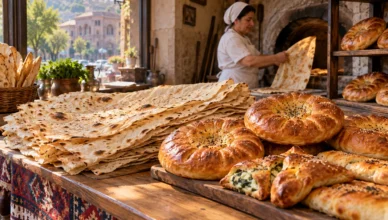
Lavash, Armenia’s traditional bread recognized by UNESCO cultural heritage programs, remains one of the strongest symbols of Armenian identity and family tradition.

Even in modern Yerevan cafés and restaurants, food still feels emotional rather than simply practical.

People gather not only to eat, but to spend time together.

Conversations Matter Here

Yerevan is one of those rare capitals where conversations still feel personal.

People in Armenia often speak emotionally, openly, and with strong expressions. A simple discussion about weather can suddenly turn into history, politics, family stories, or advice about where to eat the best gata in the city.

For visitors from more reserved cultures, this openness feels unusual at first.

But after several days, many begin to understand why Yerevan feels emotionally warmer than many larger cities.

Traditions Quietly Live Inside Modern Life

One of the most interesting things about Armenia is how naturally old traditions continue inside modern daily life.

You can see young people listening to international music while still dancing traditional Armenian dances at weddings. Ancient recipes continue to appear in modern restaurants. Handmade carpets, ceramics, folk music, and traditional crafts remain visible across Yerevan, especially at places like Vernissage markets and cultural houses.

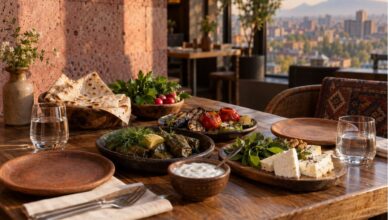
Traditional Armenian dinner with Yerevan city view and Mount Ararat at sunset
Traditional Armenian hospitality meets the warm evening atmosphere of Yerevan

Unlike some countries where traditions survive mostly for tourists, Armenian traditions still feel connected to real life.

They are not frozen in the past.

They continue evolving with the country itself.

Why Visitors Feel Emotionally Attached to Armenia

Many tourists struggle to explain exactly why Armenia stays in their memory so strongly after the trip ends.

People enjoying café culture and Armenian traditions near Cascade in Yerevan
Traditional Armenian culture continues to live naturally inside modern Yerevan

Part of it is the atmosphere of Yerevan itself — evening walks, open-air cafés, jazz music near Cascade, conversations in courtyards, and the relaxed rhythm of the city.

But another reason is emotional.

Armenia often makes people feel less like tourists and more like temporary participants in everyday local life.

And in a world where many cities feel increasingly rushed and emotionally distant, that feeling becomes unforgettable.

A Culture Built Around Human Connection

Modern Armenia continues changing quickly. Yerevan grows more international every year, new cafés and cultural spaces appear constantly, and younger generations mix global trends with Armenian identity.

But underneath all these changes, one thing remains surprisingly stable:

The importance of human connection.

Maybe that is why so many people arrive in Armenia out of curiosity… and leave feeling unexpectedly attached to the country.

I Spent Time Traveling Across Armenia — Here’s What Made This Country Feel So Different

Armenia Travel Guide 2026: Complete Guide to Yerevan, Regions, Culture, Food and Tips

Armenia is one of the world’s oldest civilizations, where ancient traditions, dramatic landscapes, and modern city life exist side by side. Located in the South Caucasus, this small but incredibly diverse country offers mountain scenery, medieval monasteries, deep cultural roots, rich cuisine, warm hospitality, and travel experiences that still feel authentic rather than commercialized.

Unlike many overcrowded tourist destinations, Armenia often feels personal. Conversations are genuine, local traditions remain alive, and even short trips can leave surprisingly emotional memories.

This complete Armenia travel guide will help you discover Yerevan, explore the country’s regions, understand Armenian culture, try traditional food, and plan your trip with confidence.

Whether you are visiting Armenia for the first time, preparing a longer Caucasus itinerary, or simply searching for a destination that feels different from mainstream European tourism, Armenia offers something unique.

Why More Travelers Are Choosing Armenia

Armenia continues to attract travelers looking for experiences that feel more meaningful, local, and culturally rich. The country combines ancient history, mountain landscapes, monasteries, lakes, forests, and vibrant urban life within relatively short travel distances.

One of Armenia’s strongest advantages is variety. Within a single trip, travelers can experience:

  • historic monasteries surrounded by cliffs and canyons,
  • modern café culture in Yerevan,
  • quiet mountain villages,
  • wine regions and traditional food culture,
  • forest landscapes and alpine lakes,
  • deep historical and religious heritage.

For many visitors, Armenia feels less commercialized than other destinations in the region. Local life still dominates daily routines, which makes travel here feel more natural and authentic.

Why travelers often enjoy Armenia:

  • Over 3,000 years of history
  • Ancient Christian heritage
  • Affordable travel costs
  • Friendly and hospitable atmosphere
  • Strong café and food culture
  • Compact geography and short travel routes
  • A mix of city life, mountains, lakes, and monasteries

Practical tip: Armenia works especially well for travelers who want cultural experiences, mountain scenery, and historical sites without long domestic flights or exhausting travel logistics.

Yerevan — The Cultural and Social Heart of Armenia

Yerevan city center Republic Square Armenia travel guide

Yerevan is one of the oldest continuously inhabited cities in the world, with origins dating back to 782 BC. Despite its ancient history, the Armenian capital feels modern, lively, walkable, and surprisingly relaxed.

The city is famous for its pink volcanic tuff stone architecture, open-air cafés, broad avenues, cultural institutions, and long evenings filled with conversation and music.

Yerevan is also the main starting point for most trips across Armenia. Many travelers spend several days exploring the city before taking regional day trips.

For detailed information about transport, prices, neighborhoods, cafés, accommodation, and practical city advice, explore our complete Yerevan travel guide.

Top Places to Visit in Yerevan

  • Republic Square — the symbolic center of the city and one of Armenia’s most recognizable landmarks
  • Cascade Complex — panoramic city views, modern art, and one of Yerevan’s best walking areas
  • Vernissage Market — local crafts, handmade souvenirs, carpets, paintings, and antiques
  • Opera House — an important cultural and architectural center
  • Victory Park — panoramic sunset views overlooking Mount Ararat and the city skyline

Travel tip: Staying near Republic Square, Cascade, or Northern Avenue makes exploring central Yerevan much easier on foot.

Top Regions to Explore in Armenia

Although Armenia is geographically small, each region has its own atmosphere, landscape, cuisine, architecture, and rhythm of life.

Traveling beyond Yerevan is essential if you want to understand Armenia more deeply.

Lori Region

Lori is known for green mountains, forests, river gorges, and medieval monasteries hidden inside dramatic landscapes.

The region is home to UNESCO-listed Haghpat and Sanahin monasteries — two of Armenia’s most important religious and architectural sites.

Lori is especially attractive for travelers who enjoy quiet scenery, history, road trips, and nature.

Kotayk Region

Kotayk is one of the easiest and most popular regions to visit from Yerevan.

It includes:

  • Garni Temple,
  • Geghard Monastery,
  • mountain viewpoints,
  • popular hiking routes,
  • Tsaghkadzor resort town.

Garni and Geghard are among Armenia’s most famous attractions and are often included in first-time visitor itineraries.

Gegharkunik Region

Gegharkunik is best known for Lake Sevan — one of the world’s largest high-altitude freshwater lakes.

The area is popular during summer because of cooler temperatures, lakeside restaurants, mountain scenery, and Sevanavank Monastery.

Lake Sevan Armenia mountains landscape travel
Armenia’s natural diversity — from lakes to mountains

Vayots Dzor

Vayots Dzor is one of Armenia’s most scenic and photogenic regions.

The region attracts:

  • wine lovers,
  • road trip travelers,
  • nature photographers,
  • visitors interested in monasteries and canyon landscapes.

Noravank Monastery, Areni wine region, and Jermuk resort town are among its main highlights.

Shirak Region

Shirak is home to Gyumri, Armenia’s second-largest city and one of the country’s cultural centers.

Gyumri is known for:

  • historic black tuff architecture,
  • creative atmosphere,
  • local humor and character,
  • traditional urban culture,
  • museums and art spaces.

Many travelers consider Gyumri one of the most emotionally memorable places in Armenia.

For a broader overview of destinations, explore our Top Attractions in Armenia guide.

Armenian Culture and Traditions

Armenian culture is deeply connected to family, religion, hospitality, language, music, and historical memory.

One of the first things many visitors notice is how personal communication feels in Armenia. Guests are often treated warmly, invited to share food, and welcomed into conversations very naturally.

Hospitality remains one of the strongest cultural traditions in the country.

“A guest is a gift from God.”

This idea still strongly influences Armenian social culture today.

To better understand local traditions and everyday life, read our guide to Armenian culture and traditions.

Traditional Holidays and Celebrations

Armenian celebrations often combine religion, family gatherings, food traditions, and historical identity.

Some important traditional celebrations include:

Armenian Cuisine — What Every Traveler Should Try

Armenian traditional food khorovats dolma lavash cuisine
Authentic taste of Armenia — traditional cuisine

Food is one of the strongest parts of Armenian identity and one of the most memorable experiences for visitors.

Armenian cuisine is based on:

  • fresh herbs and vegetables,
  • grilled meats,
  • lavash bread,
  • dairy products,
  • seasonal ingredients,
  • slow cooking traditions.

Meals in Armenia are usually social events rather than quick routines.

Must-Try Armenian Dishes

  • Khorovats — traditional Armenian barbecue
  • Dolma — stuffed grape leaves or vegetables
  • Lavash — UNESCO-recognized traditional bread
  • Khash — famous winter dish with deep cultural roots
  • Gata — traditional Armenian sweet pastry

Food tip: some of the best Armenian food experiences happen in family restaurants, bakeries, village guesthouses, and local markets rather than tourist-focused places.

You can also explore our detailed Armenian Food Guide.

Best Time to Visit Armenia

Armenia can be visited throughout the year, but each season offers a very different atmosphere.

  • Spring (April–June): green landscapes, blooming nature, comfortable temperatures
  • Summer (July–August): hot in Yerevan, cooler in mountain regions and around Lake Sevan
  • Autumn (September–October): one of the best seasons for food, wine, photography, and road trips
  • Winter (December–February): quieter atmosphere and skiing opportunities in Tsaghkadzor

Best overall seasons: spring and autumn are usually the most comfortable periods for first-time visitors.

For more details, read our Best Time to Visit Armenia guide.

Practical Travel Tips for Armenia

  • Currency: Armenian Dram (AMD)
  • Language: Armenian is official; Russian is widely spoken; English is increasingly common in tourist areas
  • Transport: taxis, minibuses, private tours, rental cars
  • Safety: Armenia is generally considered safe for travelers
  • Payments: cards are accepted in many places, but cash remains useful
  • Internet: mobile internet is affordable and widely available

Important tip: road distances in Armenia may look short on the map, but mountain roads can significantly increase travel time.

Suggested Armenia Itinerary

3–4 Days in Armenia

  • Day 1 — Explore central Yerevan
  • Day 2 — Garni Temple and Geghard Monastery
  • Day 3 — Lake Sevan and Dilijan
  • Optional Day 4 — Khor Virap or Gyumri

5–7 Days in Armenia

  • Yerevan
  • Garni and Geghard
  • Lake Sevan
  • Dilijan or Lori
  • Noravank and Areni
  • Gyumri or Tatev

This route gives travelers a balanced experience of Armenia’s cities, monasteries, landscapes, food, and culture.

Why Armenia Feels Different

Armenia is not simply a destination people visit — it is often a country people emotionally remember long after the trip ends.

The combination of ancient history, mountain landscapes, strong cultural identity, hospitality, and human warmth creates an atmosphere that feels very different from mass tourism destinations.

For travelers looking for authenticity, meaningful cultural experiences, regional cuisine, nature, and slower travel rhythms, Armenia can become one of the most rewarding places in the region.

Related articles

I’m Stephen Taylor From Birmingham — My Journey Through Armenia Changed My Expectations Completely

My name is Stephen Taylor, and I live in Birmingham, England. Over the past few years, I’ve traveled to many countries across Europe and the Middle East, but I can honestly say that my recent trip to Armenia surprised me in ways I never expected.When I first started planning my journey, I assumed Armenia would simply be another interesting destination with mountains, monasteries and beautiful landscapes. But after spending time here, I quickly realized this country offers something much deeper — a rare combination of history, dramatic scenery, ancient culture, warm hospitality and experiences that feel incredibly personal.Before arriving, I thought organizing the trip would be fairly straightforward. Armenia looks small on the map, after all. But once I began traveling across the country, I understood how incredibly diverse it actually is. Within just a few hours, I found myself moving from busy café streets in Yerevan to remote mountain roads, centuries-old monasteries carved into cliffs, peaceful alpine lakes and villages where life still feels wonderfully untouched by modern tourism.

This article is not simply another travel guide. It is the story of what I personally discovered while building my own route through Armenia and experiencing the country from the inside.

Like many travelers, I naturally began in the capital, and this complete Yerevan travel guide helped me understand where to start.

When I started planning my trip to Armenia, I quickly realized that this country is not the kind of place where you simply choose a few attractions and follow a standard tourist route. Armenia may look small on the map, but once I began traveling, I understood that every road here leads not only to beautiful places, but also to history, culture, landscapes, and experiences that feel surprisingly personal.Before arriving, I thought planning the trip would be simple. But after spending time here, I realized Armenia offers far more variety than I expected. Within just a few hours, I moved from busy streets and cafés in Yerevan to ancient monasteries hidden in mountains, deep canyons, quiet alpine lakes, and villages where life still feels untouched by modern tourism.This is not simply a travel planner. It is what I personally learned while building my own route through Armenia.

Like most travelers, I naturally began in the capital, and this complete Yerevan travel guide helped me understand where to start.

How I Planned My Armenia Trip

One of the biggest advantages I discovered is Armenia’s size. Most important destinations are surprisingly close to Yerevan, which makes regional travel much easier than I expected.

From my own experience, I would divide trips like this:

  • 3–4 days: enough for Yerevan, Garni and Lake Sevan
  • 5–7 days: add Dilijan, Tatev and Gyumri
  • 7+ days: enough time to explore less touristy places and hidden gems

My starting point was: Yerevan Travel Guide

The Places That Left The Strongest Impression On Me

Yerevan — The City Where I Began Understanding Armenia

The first days I spent in Yerevan completely changed my expectations.

The city feels ancient and modern at the same time. I spent hours walking around Republic Square, watching sunlight reflect on the pink volcanic stone buildings, sitting in cafés, and simply observing daily life.

Later I climbed the Cascade Complex and saw one of the most beautiful views of the city with Mount Ararat visible far away.

Very quickly, I understood that Yerevan is much more than a starting point — it is a major part of the Armenian experience itself.

Top destinations in Armenia including Lake Sevan and Tatev Monastery
Lake Sevan and Tatev Monastery are two of Armenia’s most iconic destinations

Lake Sevan — The Place I Escaped To After Yerevan Heat

After spending time in warm Yerevan, arriving at Lake Sevan felt completely different.

The cooler air, huge open skies, deep blue water, mountain views and peaceful atmosphere immediately made me understand why this place is so popular.

I visited Sevanavank Monastery overlooking the lake, and honestly, standing there was one of those quiet moments that stay in memory long after the trip ends.

You can read more in this Lake Sevan travel guide.

Dilijan — Armenia’s Greenest Surprise

I had heard people call Dilijan the “green heart of Armenia,” but only after arriving did I understand why.

The forests, mountain air, quiet atmosphere and hiking trails made the entire region feel very different from the rest of the country.

I spent time walking through old streets, visiting small craft shops, and simply enjoying the slower pace of life.

I later explored more through this Dilijan guide.

Tatev — The Most Dramatic Place I Visited

Tatev became one of the strongest memories of my entire trip.

The monastery stands above a massive canyon, and reaching it already feels like an adventure.

I took the famous Wings of Tatev cable car, crossing high above deep valleys and mountain landscapes that looked almost unreal.

Standing there, I understood why this place is considered one of Armenia’s most iconic destinations.

More details can be found in this Tatev Monastery guide.

Gyumri — Armenia’s Most Authentic City

Gyumri felt very different from Yerevan.

The atmosphere here was calmer, more artistic and more emotional. I noticed old black stone buildings, museums, creative spaces, local humor and a kind of authenticity that felt impossible to imitate.

If Yerevan felt energetic, Gyumri felt soulful.

I later learned more through this Gyumri travel guide.

Explore all regions: Regions of Armenia Guide

The Travel Routes I Would Personally Choose

Armenia travel route through mountains and historical sites
Armenia’s roads are perfect for road trips and scenic journeys

After moving around the country, I realized route planning matters much more than I expected.

Short Route (3–4 Days)

  • Day 1: Explore Yerevan
  • Day 2: Garni + Geghard
  • Day 3: Lake Sevan

Better Route (5–7 Days)

  • Add Dilijan and Gyumri
  • Include Tatev in southern Armenia

Full Experience (7–10 Days)

  • Explore all major regions
  • Visit wine region (Vayots Dzor)
  • Spend time in hidden villages and remote viewpoints

I found more routes here: complete regions guide.

What I Learned About Transport

Traveling around Armenia turned out to be fairly easy, but choosing transport makes a big difference.

  • Taxis: very affordable inside cities
  • Car rental: best option for flexibility
  • Marshrutkas: cheapest option used by locals

Useful guide: Transport in Armenia

Small Things That Saved Me Time

  • ✔ I always carried cash (AMD), especially outside cities
  • ✔ I started long trips early in the morning
  • ✔ I combined nearby places into one route
  • ✔ I learned very quickly that Armenia feels much better when you slow down

Food Became One of My Favorite Parts of The Journey

I expected good food, but I did not realize how central food is to Armenian daily life.

I would absolutely recommend trying:

  • Khorovats
  • Dolma
  • Lavash
  • Local wines
  • Fruit-based drinks

What I noticed is that meals here are rarely quick. They often turn into long conversations full of hospitality.

When I Would Visit Armenia Again

  • Spring: beautiful green landscapes and mild weather
  • Summer: ideal for mountains and Lake Sevan
  • Autumn: probably my favorite season for food, wine and road trips
  • Winter: perfect for skiing and quieter travel

The Hidden Places I Wish More Travelers Knew About

  • Lastiver caves
  • Noravank canyon
  • Khndzoresk cave village
  • Debed canyon

Interestingly, some of my strongest memories came not from famous places, but from unexpected stops on mountain roads, quiet villages and places I had never originally planned to visit.

Final Thoughts

After traveling through Armenia, I realized something simple: this country is not about checking destinations off a list.

It is about the feeling created by the journey itself.

What stayed with me were not only monasteries, lakes or mountain landscapes.

I remember the roads, conversations with locals, warm bread, evening walks in Yerevan, unexpected viewpoints and the feeling that the country somehow feels much bigger emotionally than it looks on the map.

Armenia never tried too hard to impress me.

And maybe that is exactly why I left feeling far more connected to it than I expected.

Read also: Armenia Travel Guide 2026: What You Really Need to Know Before Visiting

After Seeing Armenia in Every Season, I Finally Learned When It Feels Most Beautiful

Panoramic sunset view of Yerevan with Mount Ararat and the Armenian Opera Theatre

Armenia is one of those countries that does not feel the same twice. I understood this only after seeing it in different seasons. In spring, everything feels fresh and full of life. In summer, the streets become louder, warmer, and more energetic.

Autumn brings golden vineyards, colorful forests, and a feeling of harvest everywhere. Winter, on the other hand, shows a quieter and more emotional Armenia, especially in Yerevan and the snowy mountain regions.

Before my trip, I had the same question many travelers ask: when is the best time to visit Armenia?

After spending time here, I realized there is no single perfect answer. It depends on what you want to feel. Some people come for mountains and nature. Others want food, wine, monasteries, photography, hiking, or simply the atmosphere of Yerevan’s streets and cafés.

That is why I decided to describe Armenia not like a dry travel guide, but through the way I experienced the country in each season.

Spring in Armenia (March to May)

Spring was the season when Armenia felt as if it was waking up after a long sleep. After the cold months, Yerevan slowly became greener, trees started blooming, outdoor cafés opened again, and the whole city felt lighter.

March still felt unpredictable, especially outside the capital. But by April and May, traveling became much more comfortable.

For me, spring was perfect for:

  • walking around Yerevan without heat
  • seeing green landscapes
  • taking photos
  • road trips through Armenian regions
  • visiting monasteries and historical places
  • enjoying outdoor cafés

What I liked most about spring was the balance. Armenia already felt alive, but it was not as crowded or hot as in summer.

Yerevan was especially pleasant during this period. Parks filled with people, evenings became warmer, and walking through Republic Square, Cascade, Northern Avenue, and museums felt easy and natural.

Related articles:

Summer in Armenia (June to August)

Summer in Armenia felt completely different. The country became louder, brighter, and much more active. Long sunny days, crowded cafés, festivals, concerts, trips to Lake Sevan, and busy evenings made everything feel full of movement.

But I also quickly understood one important thing: summer in Yerevan can be very hot. In July and August, the daytime heat can be exhausting, especially if you try to walk too much in the afternoon.

Locals seem to know this well. Mornings and evenings are the real active parts of the day, while the afternoon often feels slower.

Summer is best if you want:

  • Lake Sevan trips
  • mountain escapes
  • festivals and concerts
  • open-air cafés and nightlife
  • road trips through regions
  • hiking and nature

Lake Sevan became one of the places I understood best in summer. After the heat of Yerevan, its cooler air, open views, lakeside restaurants, and mountain feeling were exactly what I needed.

I also found Dilijan, Lori, Tavush, and Syunik especially beautiful in summer. These regions feel much cooler and greener than the capital.

My simple advice: in summer, always carry water, wear comfortable clothes, and avoid long walks under the midday sun.

Autumn in Armenia (September to November)

After experiencing Armenia in autumn, I understood why many travelers call it the best season here.

Evening panoramic view of Yerevan and Mount Ararat during autumn sunset
Warm autumn evening over Yerevan with Mount Ararat dominating the horizon

The summer heat disappears, but September and October often remain warm and comfortable. Vineyards become golden, forests change color, markets fill with seasonal fruits, and the country feels calmer after the busy summer months.

Autumn had a very special atmosphere for me. The light became softer, the evenings felt cozier, and the landscapes looked almost made for photography.

This season felt ideal for:

  • wine tourism
  • food experiences
  • road trips
  • photography
  • walking tours
  • cultural travel

September felt like the perfect balance between summer and autumn. It was still warm enough for outdoor dining and regional travel, but without the heavy summer heat.

Autumn is also harvest season in Armenia. Fresh grapes, fruits, vegetables, homemade preserves, wine, and traditional dishes become part of everyday life.

If someone loves food and wine, I would honestly recommend visiting Armenia in autumn.

Related articles:

Winter in Armenia (December to February)

Winter showed me a completely different Armenia — quieter, colder, but also very atmospheric.

Yerevan in winter felt calmer. The streets were not as crowded, cafés felt warmer and cozier, and festive lights gave the city a special mood. Snow does not always stay long in the capital, but in the mountain regions, winter feels much stronger.

Winter is a good choice for travelers who enjoy:

  • snowy mountain views
  • winter photography
  • ski resorts
  • quiet city walks
  • festive decorations
  • fewer tourists

Tsaghkadzor is the main winter destination I would mention. Skiing, snowboarding, cable cars, mountain hotels, and snowy landscapes make it one of the most popular places during this season.

At the same time, winter in Yerevan has its own charm. Even when it is cold outside, cafés and restaurants remain full of life. Evening walks through the illuminated center feel peaceful and memorable.

Best Time to Visit Yerevan

If I had to choose the best time specifically for Yerevan, I would choose spring or autumn.

April to June and September to October felt the most comfortable for walking, sightseeing, cafés, photography, and simply enjoying the city without extreme heat or cold.

Summer is more energetic, but the daytime heat can be tiring. Winter is calmer and more atmospheric, but naturally colder.

For a first visit to Yerevan, spring and autumn offer the best balance.

Best Time for Nature and Hiking

For nature and hiking, I would choose late spring, summer, or early autumn.

During these months, mountain roads are easier to access, forests look greener, lakes feel more beautiful, and regional travel becomes much more comfortable.

Some of the best regions for nature travel are:

  • Dilijan National Park
  • Lori Region
  • Syunik
  • Vayots Dzor
  • Lake Sevan
  • Tavush forests
Ancient Armenian monastery in the mountains with Mount Ararat during autumn
Historic Armenian monastery surrounded by autumn mountains and panoramic views of Mount Ararat

For photography, autumn impressed me the most. The colors in the mountains, the softer sunlight, and the golden landscapes made almost every stop feel worth photographing.

Best Time for Armenian Food and Wine

Food in Armenia is good in every season, but autumn felt the richest to me.

This is when fresh grapes, fruits, herbs, vegetables, homemade wine, sweets, and harvest dishes become especially visible everywhere — in markets, restaurants, villages, and family tables.

Wine tourism also feels strongest in autumn, especially in regions like Vayots Dzor and Areni.

Winter, however, has its own food charm too. Warm bread, soups, heavier traditional dishes, and cozy restaurants feel perfect when the weather is cold.

When Armenia Is Least Crowded

If you prefer fewer tourists, I would look at late autumn, winter, or early spring.

During these periods, Yerevan feels calmer, hotels may be more affordable, and famous places are usually easier to enjoy without crowds.

The only thing to remember is that winter weather can make some mountain roads and remote destinations harder to reach.

Month-by-Month Overview

  • March: still cold, but spring slowly begins
  • April: blooming trees and comfortable city walks
  • May: one of the best months for overall travel
  • June: warm weather and active travel season
  • July: hot, sunny, lively, and busy
  • August: very warm, best for lakes and mountains
  • September: excellent weather and fewer crowds
  • October: autumn colors, wine, and harvest atmosphere
  • November: cooler, quieter, and more local
  • December: festive Yerevan and winter mood
  • January: snowy mountains and ski season
  • February: calm period before spring returns

So, When Is the Best Time to Visit Armenia?

If someone asked me to choose the best months overall, I would say May, June, September, and October.

These months offer the best combination of comfortable weather, beautiful landscapes, active city life, and easy regional travel.

But each season has its own reason to visit:

  • spring feels fresh and full of new life
  • summer brings energy, festivals, mountains, and Lake Sevan
  • autumn offers the most beautiful colors, food, and wine atmosphere
  • winter shows a quieter, cozier, and more emotional Armenia

Final Thoughts

After seeing Armenia in different seasons, I no longer think of it as a country with only one “best” travel period.

Its character changes throughout the year. Some travelers will fall in love with warm summer evenings in Yerevan. Others will remember autumn vineyards, snowy mountain roads, spring monasteries, or quiet winter cafés.

For me, the best time to visit Armenia depends on what kind of feeling you want to take home with you.

But one thing stayed the same in every season: the warmth of people, the deep history, the landscapes, and that special Armenian atmosphere that makes you want to return again.